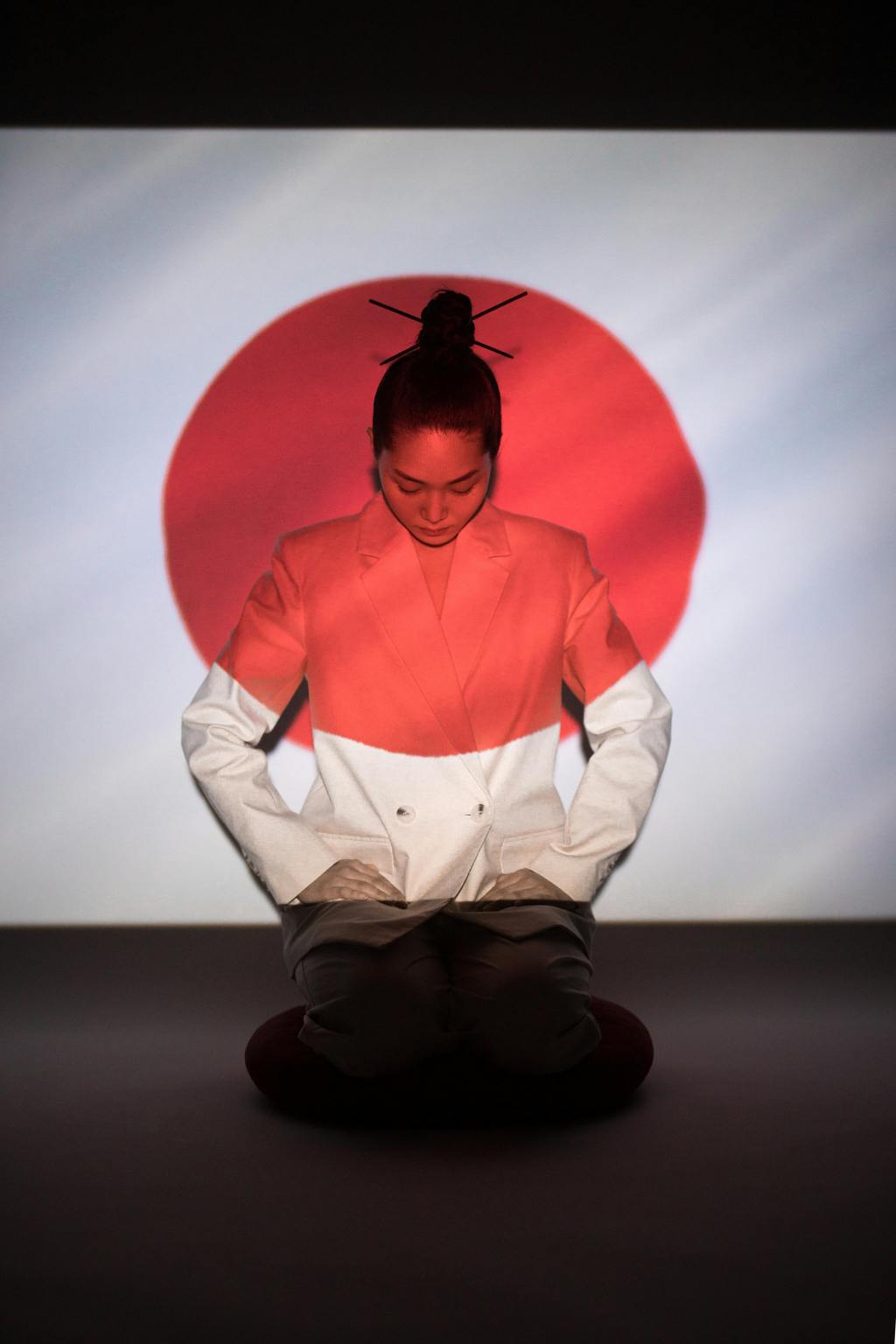
Martial arts are deeply rooted in Japanese culture and have significantly influenced the nation’s social life. Here’s how:
- Promoting Discipline and Respect
Martial arts like karate, judo, and kendo instill respect, humility, and self-control, fostering polite and harmonious interactions in society.
- Strengthening Community Bonds
Dojo culture creates spaces for mentorship and community engagement, while festivals and demonstrations bring people together, reinforcing local pride and connections.
- Fostering National Identity
Martial arts symbolize Japan’s cultural heritage, promoting a shared sense of pride and unity among its people.
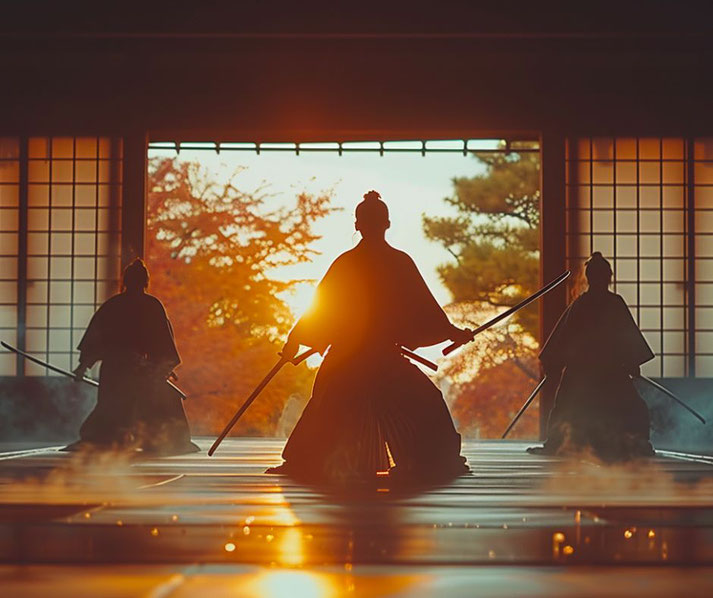
- Encouraging Social Inclusion
Martial arts unite individuals from diverse backgrounds, teaching teamwork and mutual support that transcend social differences.
- Youth Development
Children learn discipline, confidence, and responsibility through martial arts, positively impacting their behavior at home, school, and beyond.

- Cultural Rituals and Etiquette
Rituals like bowing and ceremonial greetings in martial arts reinforce respect and proper social behavior, shaping broader Japanese etiquette.
- Bridging Cultures
The global popularity of Japanese martial arts fosters international connections and cultural exchange, strengthening Japan’s ties with the world.
Conclusion
Martial arts in Japan extend beyond physical practice, shaping values, community ties, and national identity. They remain a cornerstone of Japan’s harmonious and respectful social fabric.
 DREAMSONLINE
Leave a comment